liver care
Fatty Liver Treatment in Dhaka: Diagnosis and Management Guide by Minerva
16 October 2026
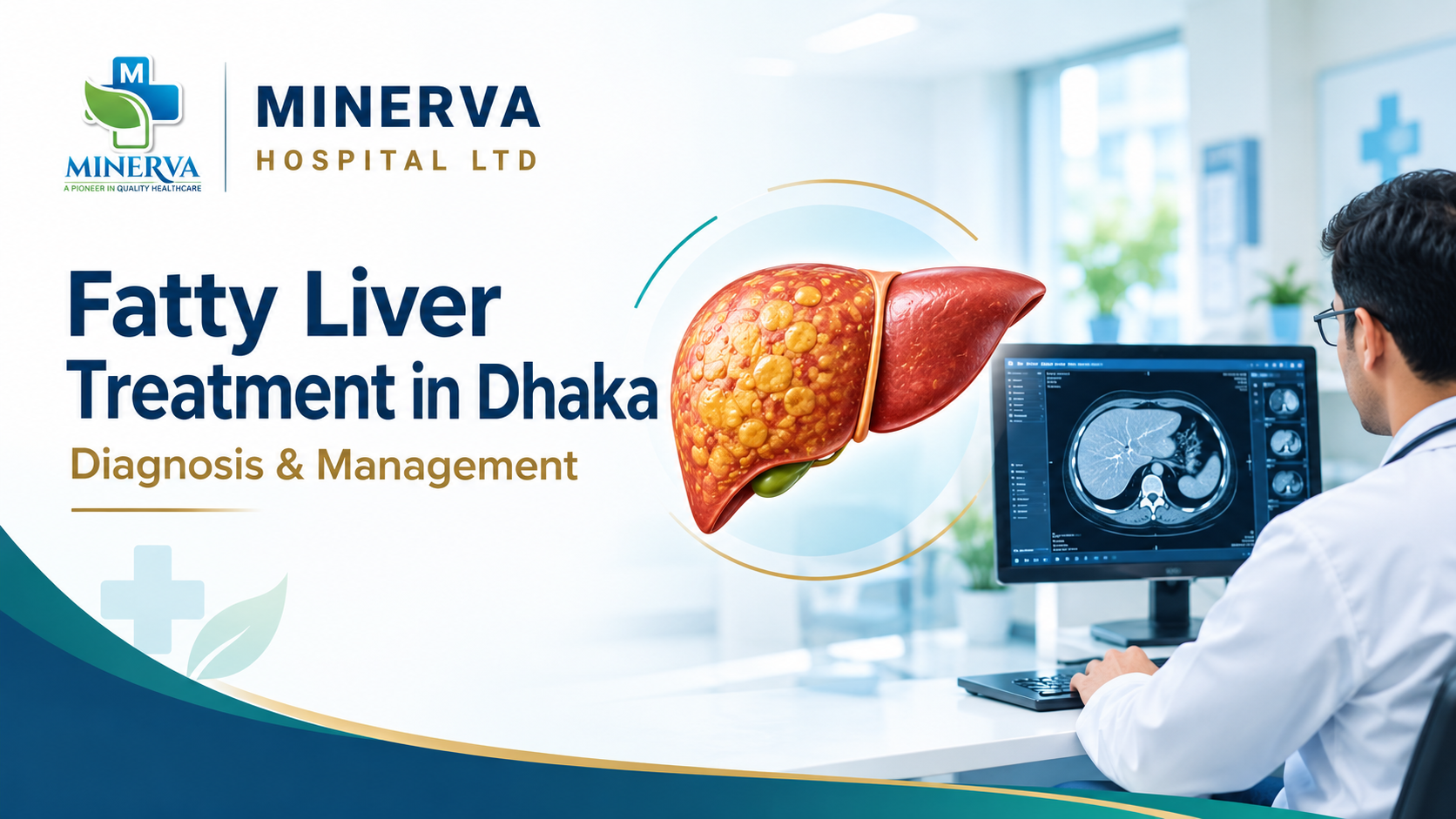
Fatty liver disease occurs when excess fat accumulates in the liver. It can develop without noticeable symptoms, making early diagnosis and proper management important. If you are looking for fatty liver treatment in Dhaka, understanding the available diagnostic tests, lifestyle changes, and medical care options is an important first step.
Minerva Hospital Limited provides liver and digestive health services through its Liver & Gastroenterology Department . Patients can consult a qualified specialist for assessment, appropriate investigations, and an individualized management plan.
What Is Fatty Liver Disease?
Fatty liver disease is a condition in which excess fat builds up in liver cells. Metabolic dysfunction-associated steatotic liver disease (MASLD), previously known as non-alcoholic fatty liver disease (NAFLD), is commonly associated with excess body weight, insulin resistance, type 2 diabetes, high cholesterol, and elevated triglycerides.
Fatty liver disease can range from simple fat accumulation to inflammation and liver damage. In some patients, it may progress to liver fibrosis, cirrhosis, or other serious complications. However, many people can improve their liver health through appropriate lifestyle changes and management of associated medical conditions.
What Are the Common Symptoms of Fatty Liver?
Fatty liver disease often causes no obvious symptoms in its early stages. Some people may experience:
- Persistent tiredness or fatigue
- Discomfort in the upper-right side of the abdomen
- A general feeling of weakness
- An enlarged liver identified during a medical examination
- Abnormal liver enzyme levels on blood tests
These symptoms are not specific to fatty liver disease. A medical assessment is necessary to determine their cause. People with diabetes, excess abdominal fat, high triglycerides, or other metabolic risk factors may benefit from discussing liver health screening with their doctor.
How Is Fatty Liver Diagnosed in Dhaka?
Accurate fatty liver diagnosis involves evaluating medical history, metabolic risk factors, blood test results, and appropriate imaging. A doctor determines which investigations are necessary based on each patient's symptoms and risk profile.
1. Medical History and Physical Examination
The doctor may review your weight, medical history, medications, dietary habits, alcohol intake, physical activity, diabetes status, and cholesterol levels. A physical examination can help identify findings that require further investigation.
2. Liver Function Tests
Blood tests, including alanine aminotransferase (ALT) and aspartate aminotransferase (AST), can help assess liver injury. Other tests may evaluate bilirubin, albumin, platelet count, glucose, and lipid levels. Normal liver enzyme results do not always exclude significant liver disease, so results must be interpreted alongside other findings.
3. Abdominal Ultrasound
An abdominal ultrasound can help detect fat accumulation in the liver and assess other abdominal organs. However, it may not identify mild fatty liver or accurately determine the degree of liver scarring.
4. Fibrosis Assessment and Additional Tests
When appropriate, doctors may use risk scores such as FIB-4 or additional tests, including liver elastography or FibroScan, to assess the likelihood of liver fibrosis. Further investigations may be needed to evaluate other causes of liver disease. A liver biopsy is reserved for selected cases when the result could influence diagnosis or treatment.
Patients can explore Minerva Hospital's diagnostic tests and investigations to learn about available testing services.
What Is the Best Treatment for Fatty Liver?
The best fatty liver treatment depends on the underlying cause, the presence of inflammation or fibrosis, and associated conditions such as diabetes or high cholesterol. For many patients with metabolic fatty liver disease, lifestyle modification and management of metabolic risk factors are the foundation of treatment.
1. Gradual and Sustainable Weight Management
If you are overweight, gradual weight loss may reduce liver fat and improve metabolic health. The appropriate weight-loss target depends on your health status and should be discussed with your healthcare professional. Avoid crash diets and rapid weight-loss methods.
2. A Balanced and Liver-Friendly Diet
A balanced diet can support liver health and help manage blood sugar and cholesterol. Consider the following habits:
- Eat vegetables, whole fruits, legumes, and whole grains regularly.
- Choose appropriate portions of fish, eggs, lean protein, and other nutritious foods.
- Reduce sugary drinks, excess sweets, and foods high in added sugar.
- Limit deep-fried foods and excessive saturated fat.
- Maintain appropriate portion sizes and a balanced daily calorie intake.
- Avoid alcohol if advised by your doctor; avoiding it is particularly important when alcohol contributes to liver disease.
3. Regular Physical Activity
Regular physical activity can improve liver and metabolic health, even when significant weight loss does not occur. Walking, cycling, swimming, and other activities suited to your fitness level are practical options. Increase activity gradually and follow medical advice if you have other health conditions.
4. Managing Diabetes, Cholesterol, and Other Conditions
Controlling blood glucose, blood pressure, triglycerides, and cholesterol is an important part of fatty liver management. Your doctor may review your current medicines and recommend appropriate treatment for associated conditions.
5. Medication and Specialist Follow-Up
There is no single medicine suitable for every person with fatty liver. Medication decisions depend on the specific diagnosis, disease severity, associated conditions, and locally available approved treatments. Some selected patients may qualify for disease-specific medication under specialist supervision.
Avoid self-medicating or using unverified herbal remedies and supplements, as some products can cause liver injury. Regular follow-up helps doctors monitor progress and identify patients who need additional evaluation or treatment.
When Should You See a Fatty Liver Specialist in Dhaka?
Consider consulting a gastroenterologist or liver specialist if an ultrasound reports fatty liver, your liver enzymes are persistently abnormal, or you have diabetes or other metabolic risk factors. Specialist assessment is especially important when tests suggest significant fibrosis or when the diagnosis is uncertain.
Seek urgent medical attention if you develop yellowing of the eyes or skin, vomiting blood, black tarry stools, new abdominal swelling, confusion, or unusual drowsiness. These symptoms may indicate a serious condition and should not be managed through routine lifestyle changes alone.
Fatty Liver Diagnosis and Management at Minerva Hospital Limited
Minerva Hospital Limited in Dhaka offers liver and digestive health services through its Liver & Gastroenterology Department. Patients can seek medical assessment for liver conditions, including fatty liver, hepatitis, and cirrhosis, as well as guidance on appropriate investigations and follow-up care.
The hospital's approach includes evidence-based assessment, individualized treatment planning, and prevention-focused care. The appropriate investigations and treatment recommendations depend on the patient's clinical condition and the treating specialist's assessment.
Learn more about the Liver & Gastroenterology Department at Minerva Hospital or visit the Minerva Hospital Limited website for hospital information and appointment enquiries.
Hospital address: 75, 76, 77, 77/1 Kakrail Mor,
Ramna, Dhaka, Bangladesh.
Appointment hotline: 09617-999222
Frequently Asked Questions About Fatty Liver Treatment
1. Can fatty liver be cured completely?
Fatty liver can improve substantially, particularly when detected early and managed with appropriate lifestyle changes and treatment of related conditions. Outcomes depend on the underlying cause and whether significant inflammation or permanent scarring has developed.
2. Which doctor treats fatty liver in Dhaka?
A gastroenterologist or hepatologist can evaluate fatty liver disease. Patients seeking fatty liver treatment in Dhaka can contact Minerva Hospital Limited to enquire about consultation with an appropriate specialist through its Liver & Gastroenterology Department.
3. Which tests are needed to diagnose fatty liver?
Evaluation may include liver enzyme blood tests, metabolic blood tests, abdominal ultrasound, and fibrosis risk assessment. Elastography or other investigations may be recommended depending on the patient's risk factors and initial results.
4. Is fatty liver dangerous if there are no symptoms?
Yes, it can be. Fatty liver may progress without noticeable symptoms. Although many people do not develop advanced liver disease, some develop inflammation, fibrosis, or cirrhosis. Appropriate assessment helps identify those at greater risk.
5. What foods should I avoid if I have fatty liver?
Limit sugary drinks, excess added sugar, highly processed foods, and excessive saturated fat. A balanced diet with vegetables, whole grains, suitable protein sources, and appropriate portions is generally recommended. Your dietary plan should reflect your individual health needs.
6. Does fatty liver always require medication?
No. Many patients primarily need lifestyle changes and management of related metabolic conditions. Specific medicines may be appropriate for selected patients, depending on the diagnosis and disease severity. Treatment should always be guided by a qualified doctor.
7. Where can I seek fatty liver treatment in Dhaka?
You can contact Minerva Hospital Limited at 09617-999222 to enquire about fatty liver evaluation and specialist consultation at its Liver & Gastroenterology Department, located at Kakrail Mor, Ramna, Dhaka, Bangladesh.
Medical disclaimer: This article is for educational purposes only and does not replace a medical consultation, diagnosis, or individualized treatment plan.