Health tips
PCOS Symptoms in Women: Causes, Diagnosis and Treatment
20 November 2026
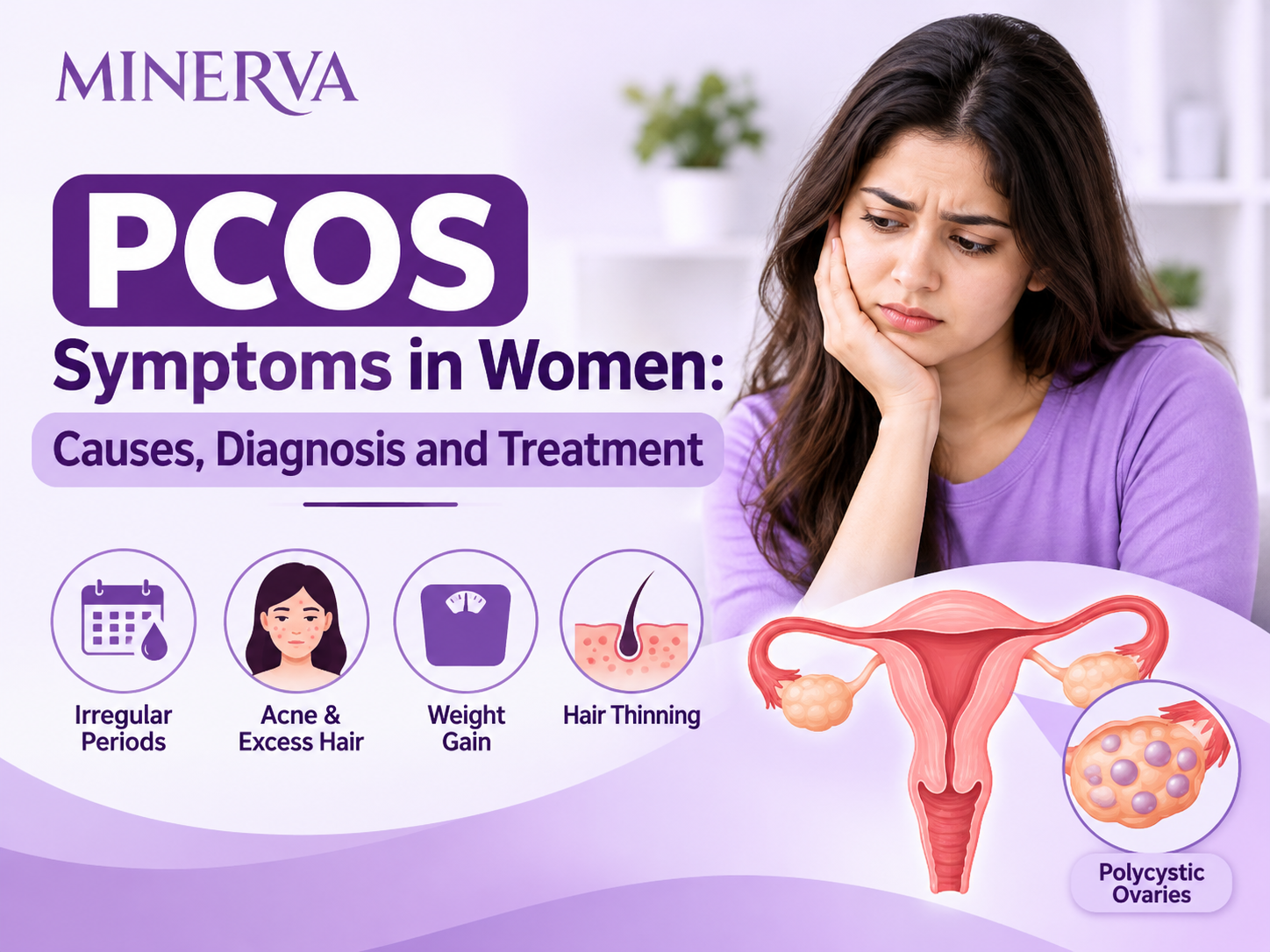
PCOS Symptoms in Women: Causes, Diagnosis and Treatment
Written for the Gynecology & Obstetrics Department of Minerva Hospital Ltd
Quick Answer: What Is PCOS and What Are Its Symptoms?
What is PCOS? Polycystic Ovary Syndrome (PCOS) is a common hormonal condition in women of reproductive age. The ovaries make more androgens (male hormones) than normal, and ovulation becomes irregular. The World Health Organization estimates that PCOS affects about 8–13% of women of reproductive age, and many cases are never diagnosed.
What are the main symptoms of PCOS?
- Irregular, missed or very infrequent periods
- Excess hair growth on the face, chest or abdomen (hirsutism)
- Acne and oily skin
- Hair thinning or hair loss on the scalp
- Weight gain, especially around the waist
- Dark, velvety patches of skin on the neck, underarms or groin
- Difficulty getting pregnant
Is PCOS treatable? Yes. PCOS has no permanent cure, but healthy lifestyle changes and the right medicines control the symptoms and lower the risk of long-term problems. If your periods are irregular or you notice several of these signs, consult a gynecologist. Early diagnosis makes treatment easier.
What Is PCOS (Polycystic Ovary Syndrome)?
PCOS is a hormonal and metabolic condition. In a typical menstrual cycle, an ovary releases one egg every month (ovulation). In PCOS, hormonal imbalance stops this process from working normally. Eggs may not mature or may not be released on time, which causes irregular periods and sometimes small fluid-filled follicles on the ovaries.
The name can be misleading. Having "cysts" on the ovaries is not required for a PCOS diagnosis, and some women with PCOS have normal-looking ovaries on ultrasound. PCOS also affects more than the reproductive system. It is closely linked with insulin resistance, weight, skin, hair and mood.
For a global overview, see the WHO fact sheet on polycystic ovary syndrome.
PCOS Symptoms in Women
PCOS symptoms differ from woman to woman. Some have only mild signs, while others have several at once. Symptoms often begin in the teenage years, soon after the first period, but they can also appear later in life, for example after weight gain.
Common Symptoms of PCOS
- Irregular periods: cycles longer than 35 days, fewer than eight periods a year, or no periods for several months.
- Heavy or prolonged bleeding: when periods are delayed, the uterine lining builds up and the next period may be heavier than usual.
- Excess facial and body hair (hirsutism): coarse dark hair on the upper lip, chin, chest, abdomen or back.
- Acne and oily skin: especially along the jawline, chin and back, and often hard to treat with ordinary skin care.
- Hair thinning or hair loss: a widening parting or thinning at the crown, known as female-pattern hair loss.
- Weight gain: fat tends to collect around the abdomen, and losing weight can feel harder than normal.
- Skin darkening (acanthosis nigricans): dark, thick patches on the neck, underarms or groin, often linked to insulin resistance.
- Skin tags: small soft growths on the neck or armpits.
- Infertility or delayed pregnancy: because ovulation is irregular, conceiving can take longer.
Symptoms Often Reported with PCOS
These are not used to diagnose PCOS, but many women with the condition mention them:
- Bloating and abdominal heaviness
- Constant tiredness or low energy
- Mood swings, anxiety and depression
- Sleep problems, including snoring and sleep apnea
- Pelvic pain or discomfort
- Strong sugar cravings
Is Depression a Symptom of PCOS?
Depression is not one of the diagnostic criteria for PCOS, but it is much more common in women with PCOS than in other women. Hormonal imbalance and insulin resistance may play a role. The emotional strain of acne, unwanted hair, weight gain and fertility worries can add to it. If you feel sad, hopeless or anxious for more than two weeks, speak to your doctor. Treating mood is part of good PCOS care.
Is Hair Loss a Symptom of PCOS?
Yes. Higher androgen levels can shrink hair follicles on the scalp, causing thinning at the crown and a wider parting. At the same time, the same hormones can increase hair on the face and body. Hair loss can also be caused by thyroid disease, iron deficiency or stress, so a blood test helps to find the real cause. Our guide on anemia symptoms explains how low iron and hemoglobin can also affect hair.
Is Bloating a Symptom of PCOS?
Bloating is commonly reported by women with PCOS, but it is not a specific or diagnostic sign. Diet, digestive conditions and thyroid disorders can all cause it. If bloating is constant, painful or comes with weight loss or changes in bowel habits, see a doctor instead of assuming it is PCOS.
What Causes PCOS?
The exact cause of PCOS is not fully known. Most experts believe several factors act together:
| Factor | How it contributes to PCOS |
|---|---|
| Insulin resistance | The body does not respond well to insulin, so the pancreas makes more of it. High insulin pushes the ovaries to produce more androgens and makes weight gain easier. |
| High androgens | Excess male hormones disturb ovulation and cause acne, extra hair and scalp hair thinning. |
| Genetics and family history | PCOS often runs in families. A mother or sister with PCOS or type 2 diabetes raises your risk. |
| Low-grade inflammation | Some women with PCOS have mild chronic inflammation, which may stimulate androgen production. |
| Excess weight | Weight does not cause PCOS in every woman, but it can make insulin resistance and symptoms worse. Lean women can also have PCOS. |
Who Is at Higher Risk?
- Women with a family history of PCOS or type 2 diabetes
- Women who are overweight or have insulin resistance
- Teenagers and women with irregular periods from the start
- Women with early or severe acne and excess hair growth
How Is PCOS Diagnosed?
There is no single test for PCOS. A doctor makes the diagnosis after listening to your history, examining you and ruling out other conditions. PCOS is generally confirmed when at least two of these three features are present:
- Irregular or absent ovulation (irregular periods)
- Signs of high androgens, either physical (acne, excess hair, hair loss) or in blood tests
- Polycystic-appearing ovaries on ultrasound (or a high AMH level in adults, in some cases)
Tests Commonly Advised
| Test | What it shows |
|---|---|
| Pelvic or transvaginal ultrasound | Ovary size, number of follicles and thickness of the uterine lining |
| Testosterone and androgen tests | Whether male hormone levels are high |
| LH and FSH | Hormones that control ovulation |
| Prolactin and TSH | Rules out hormone and thyroid problems that mimic PCOS |
| Fasting blood sugar, HbA1c or OGTT | Insulin resistance, prediabetes or diabetes |
| Lipid profile | Cholesterol and triglycerides, which are often raised in PCOS |
| AMH (when advised) | Ovarian reserve and an alternative marker to ultrasound in some adults |
Minerva Hospital's diagnostics and lab service offers many of these investigations, and you can see the full list on our diagnostic tests page. If you prefer to give samples at home, check our home sample collection service. Your doctor will decide which tests you actually need.
PCOS Treatment Options
Treatment depends on your symptoms and goals, such as regular periods, clearer skin, less hair growth or pregnancy. Most women need a combination of lifestyle changes and, when necessary, medicines.
1. Lifestyle Changes (First Step for Most Women)
- Healthy weight management: even a modest weight loss in women who are overweight can improve cycles and insulin levels.
- Regular exercise: aim for at least 150 minutes of moderate activity a week, such as brisk walking, cycling or swimming.
- Balanced diet: choose whole grains, vegetables, pulses, fruits, eggs, fish and lean protein. Cut down on sugary drinks, sweets and refined carbohydrates.
- Good sleep and stress control: poor sleep and long-term stress can worsen insulin resistance.
2. Medicines (Only on a Doctor's Advice)
- Hormonal birth control pills or progestin therapy: help regulate periods, protect the uterine lining and reduce acne and hair growth.
- Anti-androgen medicines: reduce unwanted hair and acne. They must not be used in pregnancy, so effective contraception is needed.
- Metformin: improves insulin resistance in selected women.
- Ovulation-inducing medicines: such as letrozole or clomiphene for women who want to become pregnant.
- Skin and hair treatments: a dermatologist can advise on acne care, hair removal methods and hair-loss treatment.
3. Fertility Treatment
If lifestyle changes and ovulation medicines do not work, further options include injectable hormones, intrauterine insemination (IUI) or IVF. A gynecologist with fertility experience can plan the right step for you.
Important: Do not start hormonal pills, metformin or any other PCOS medicine on your own. The right treatment depends on your age, symptoms, test results and whether you plan to conceive.
Complications of Untreated PCOS
PCOS is more than a period problem. Without follow-up, it can increase the risk of:
- Type 2 diabetes and prediabetes
- Infertility and pregnancy complications such as gestational diabetes and high blood pressure
- Endometrial hyperplasia (thickened uterine lining) and, rarely over many years, endometrial cancer, because periods are infrequent
- High cholesterol, high blood pressure and heart disease
- Fatty liver disease
- Sleep apnea
- Depression and anxiety
Women with PCOS and a thyroid or blood-sugar problem often need care from more than one specialist. You can read about thyroid problems in our article on hyperthyroidism vs hypothyroidism, or visit our Diabetes & Endocrinology department.
Diet and Lifestyle Tips for PCOS
Foods That Help
- High-fibre foods: oats, brown rice, whole wheat roti, vegetables and pulses
- Protein: fish, eggs, chicken, dal and low-fat dairy
- Healthy fats: nuts, seeds and olive or mustard oil in moderation
- Fruits with a lower sugar load, such as guava, apple, papaya and berries
Foods to Limit
- Sugary drinks, sweets, cakes and biscuits
- White bread, white rice in large portions and fried snacks
- Processed and packaged foods
Diet needs differ from person to person. A personal plan from a nutrition specialist is more useful than a generic chart. Minerva Hospital's Food & Nutrition department can help you with this.
When Should You See a Doctor?
Consult a gynecologist if you notice any of the following:
- Periods that are irregular, very infrequent or have stopped for 3 months or more
- Very heavy or prolonged bleeding (see also our guide on anemia and low hemoglobin)
- New or worsening acne, facial hair or hair loss
- Trying to conceive for 12 months without success (6 months if you are over 35)
- Rapid weight gain or dark skin patches on the neck or underarms
- Persistent sadness, anxiety or sleep problems
Urgent care: Go to the emergency department if you have severe lower abdominal pain, fainting, or very heavy bleeding that soaks through pads quickly.
Not sure which specialist to choose? Read our guide on how to choose the best gynecologist in Dhaka.
PCOS Care at Minerva Hospital
The Gynecology & Obstetrics department at Minerva Hospital provides care for menstrual disorders and hormonal issues, infertility evaluation and treatment, family planning and counselling, and complete women's health check-ups. Our specialists include:
- Prof. Dr. Shamima Sultana, Professor & Head of Department
- Dr. Farhanul Jannat, Gynecology, Obstetrics & Infertility Specialist
- Dr. Saiyeda Ummul Khayer (Sumi), Gynecology & Obstetrics Specialist
You can also browse all our doctors, or consult from home through our video consultancy service. For a broader hormone check, our thyroid check-up package is a useful starting point.
To book an appointment:
📍 Address: 75, 76, 77, 77/1 Kakrail Mor, Ramna, Dhaka, Bangladesh
📞 Hotline (24/7): 09617-999222
🕒 Visiting hours: Saturday – Friday, 9:00 AM – 5:00 PM (emergency open 24/7)
🗓️ Book an appointment with the Gynecology department
Frequently Asked Questions (FAQ)
What are the first signs of PCOS?
The first signs are usually irregular or missed periods, acne or oily skin, and excess hair growth on the face, chest or abdomen. Some women also notice weight gain around the waist or thinning hair on the scalp.
Is depression a symptom of PCOS?
Depression is not a diagnostic feature of PCOS, but it is much more common in women with PCOS. Hormonal changes, insulin resistance and the stress of visible symptoms or fertility concerns can all contribute. Tell your doctor if you feel low or anxious for more than two weeks.
Is bloating a symptom of PCOS?
Many women with PCOS report bloating, but it is not a diagnostic sign. It can also be caused by diet, digestive problems or thyroid disease, so persistent bloating should be checked by a doctor.
Is hair loss a symptom of PCOS?
Yes. High androgen (male hormone) levels can cause thinning at the crown or widening of the hair parting, called female-pattern hair loss. Thyroid problems and iron deficiency can also cause hair loss, so testing is useful.
Can PCOS be cured permanently?
PCOS cannot be cured permanently, but its symptoms can be controlled very well with healthy weight management, regular exercise and, when needed, medicines. Long-term follow-up helps prevent complications such as diabetes.
Can a woman with PCOS get pregnant?
Yes. Most women with PCOS can become pregnant, sometimes with the help of lifestyle changes and ovulation-inducing medicines. A gynecologist can guide you if pregnancy is taking longer than expected.
Which tests are done to diagnose PCOS?
Doctors usually advise a pelvic or transvaginal ultrasound and blood tests such as testosterone, LH, FSH, prolactin, TSH and blood sugar. Other causes of irregular periods are ruled out before PCOS is confirmed.
Which doctor should I see for PCOS?
A gynecologist is the first specialist to see for PCOS. Depending on your symptoms, you may also need an endocrinologist, a dermatologist or a nutrition specialist. Minerva Hospital has all of these under one roof, including a Dermatology department for acne and hair concerns.
Conclusion
PCOS is a common, manageable condition. Irregular periods, acne, extra hair, hair thinning and weight gain are the usual warning signs, and they should not be ignored or brushed off as "normal". With early diagnosis, a healthy lifestyle and the right treatment, most women with PCOS control their symptoms, protect their long-term health and can have a healthy pregnancy when they choose to.
If you notice PCOS symptoms, book an appointment with a gynecologist at Minerva Hospital today.
Further Reading
- Office on Women's Health (US): Polycystic ovary syndrome
- NICHD (US National Institutes of Health): PCOS information
Disclaimer: This article is for general health awareness only and is not a substitute for professional medical advice. For diagnosis and treatment, please consult a registered doctor.